CharacterConsistency System
Preserve the identity.
Direct the variation.
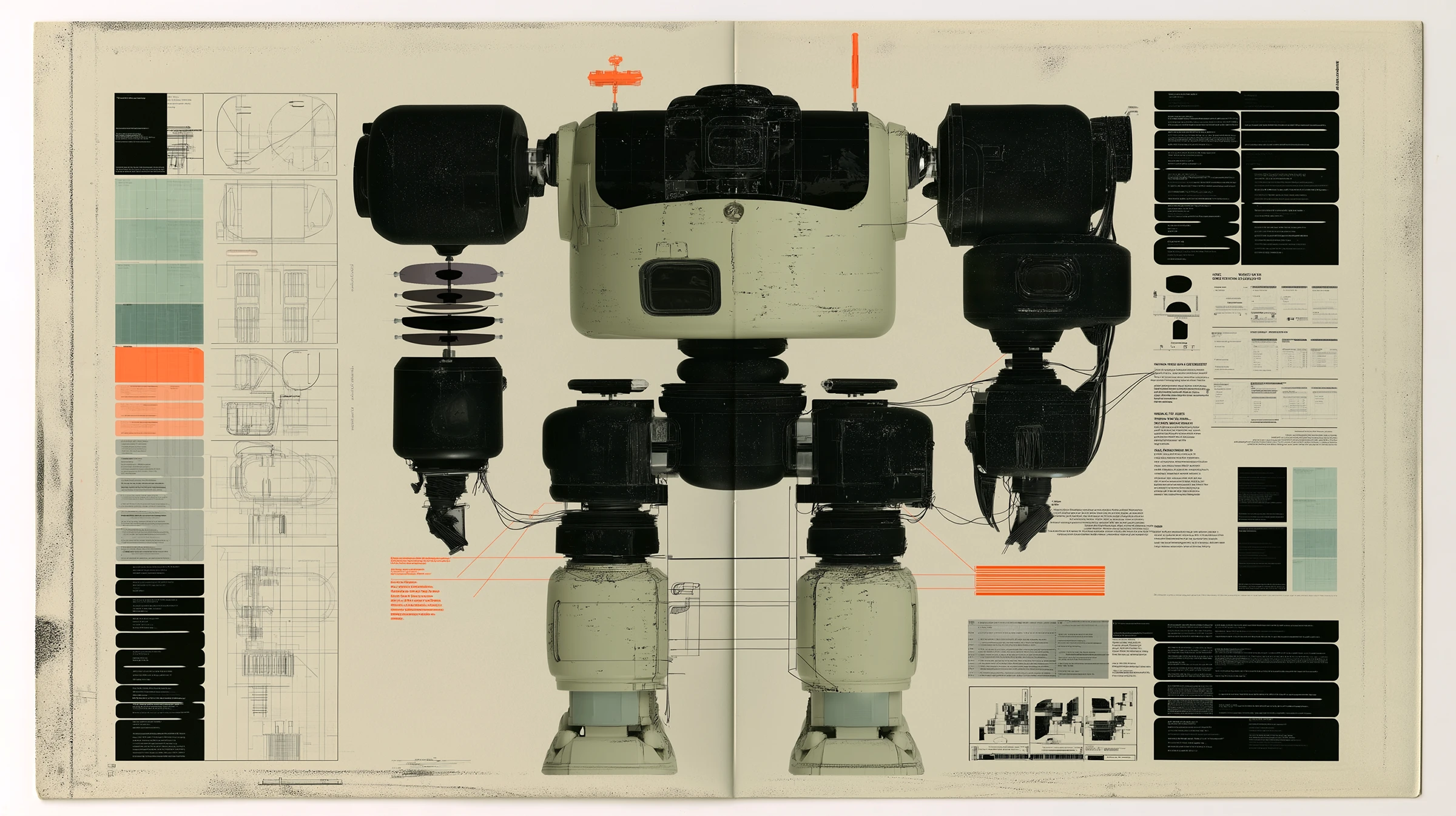
I built a system for creating new character variations without losing what makes the character recognizable.
The creative direction can change.
The defining characteristics carry forward.
01The Problem
Variation is easy.
Preserving identity is harder.
A new creative request can move an established character away from its intended identity. The challenge is to change the direction while preserving what makes the character recognizable.
02What I Learned
More prompting did not necessarily mean more control.
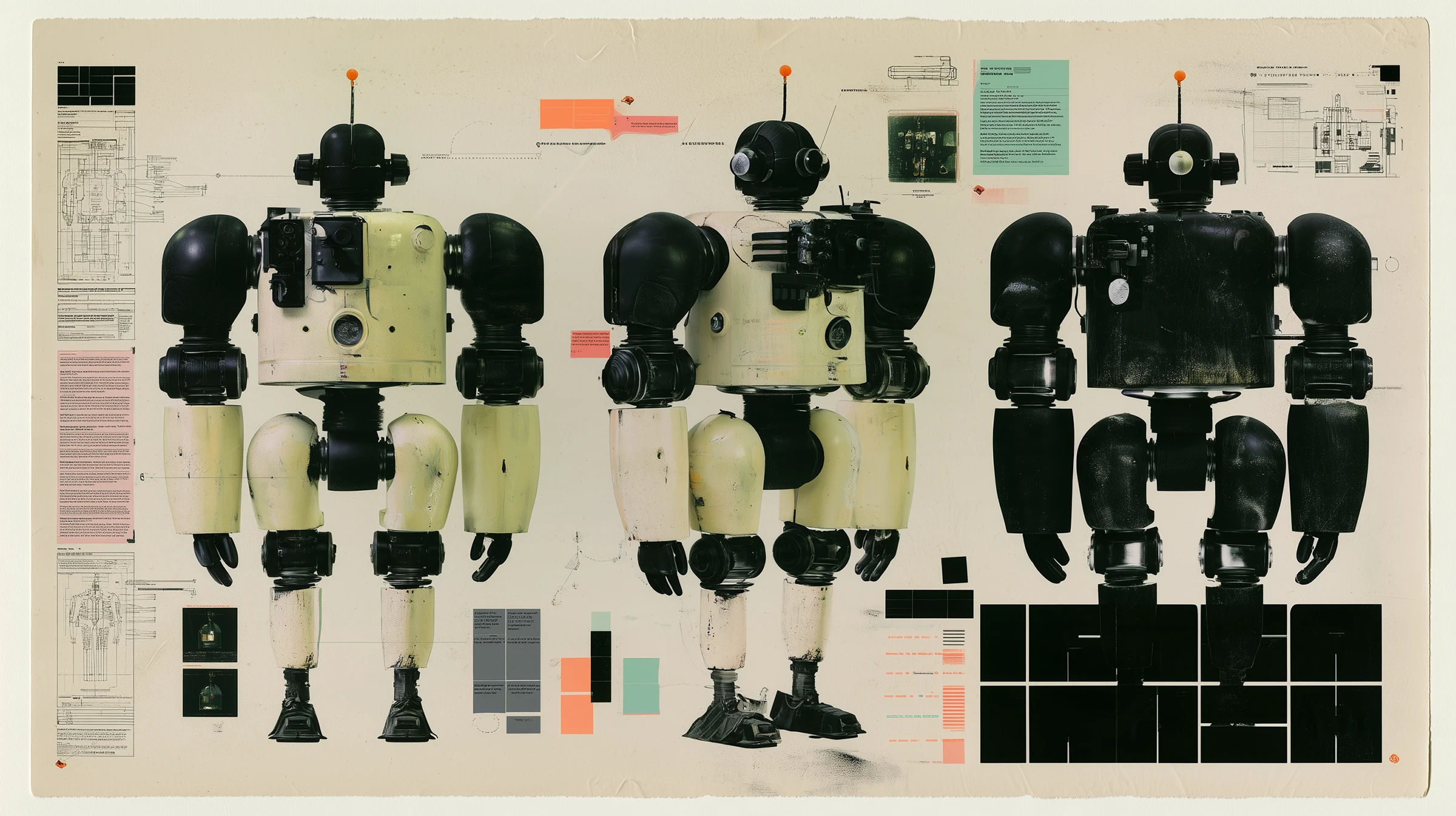
Certain identity characteristics mattered more to recognition.
Consistency depended on the broader workflow, not simply one prompt.
03The Framework
Preserve
- Head / face
- Eye relationships
- Silhouette
- Proportions
- Material / construction
Direct
- Emotion
- Action
- Outfit
- Environment / setting
Preserve the identity.Direct the variation.
04The Workflow
I created simple creative inputs:
- Emotion
- Action
- Outfit
These are the variables I direct.
The system carries forward:
- Identity guidance
- Character references
- Creative constraints
- Structured prompt logic
The creative direction changes.
The established guidance carries forward.
Human judgment remains involved.
05The Result
Controlled
range.
The system creates room for variation without losing the character’s identity. Creative direction can change while the defining characteristics remain consistent.
06The Outcome
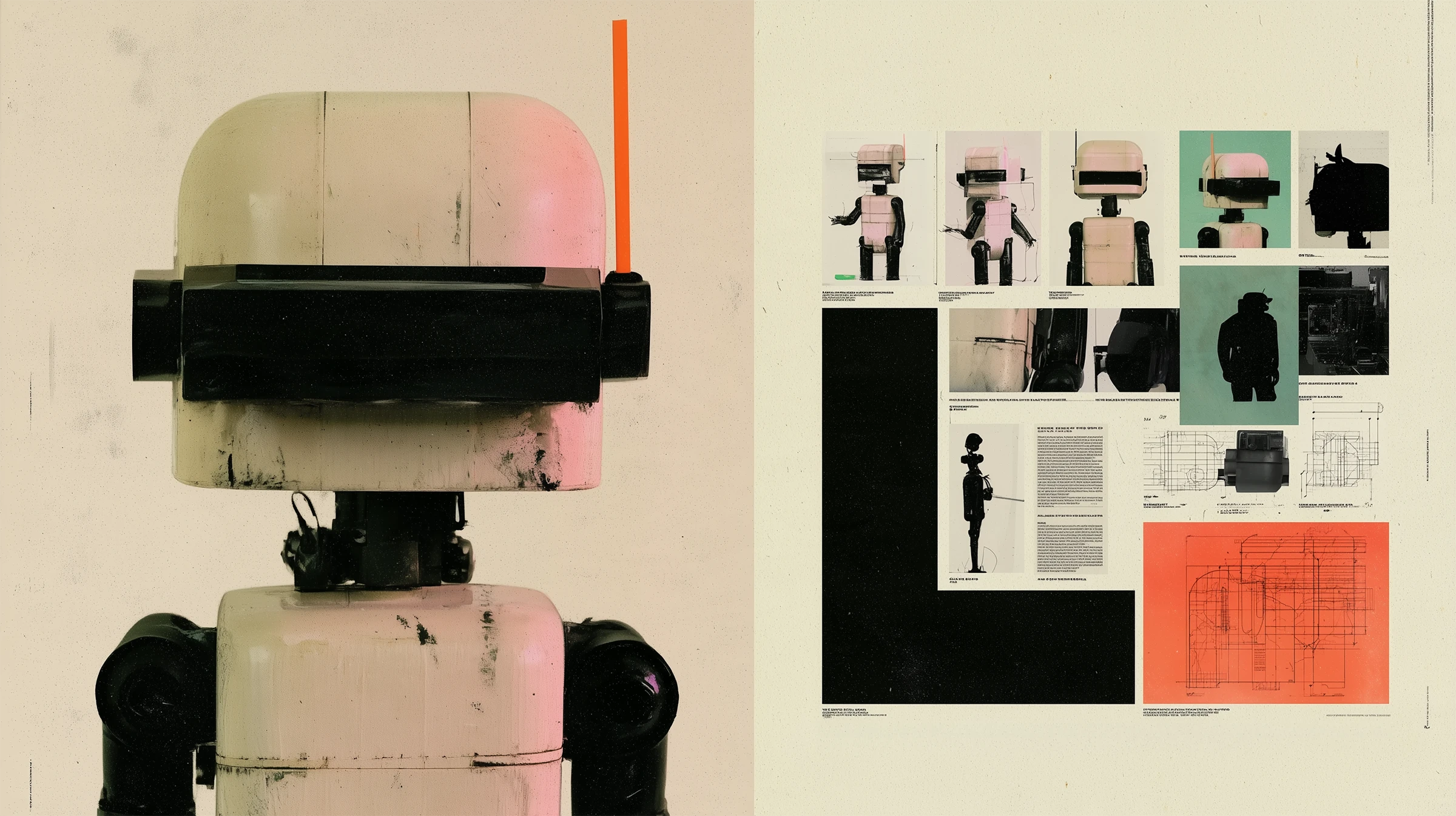
A faster, more consistent way to create new directions without starting over.
- Faster iteration
- New creative directions can begin from established guidance instead of rebuilding the underlying logic for every request.
- Greater consistency
- Identity guidance, references and constraints carry forward across creative requests.
- Reusable workflow
- The system turns repeatable creative logic into a workflow the team can use rather than solving the same problem independently each time.
- Human judgment
- Generated candidates still require creative review. The system supports judgment rather than replacing it.
By reducing repetitive setup and unnecessary iteration, the workflow can help the team move more efficiently and reduce associated production costs.
Public demonstration of the system logic I developed.